How We Built Our Ethics Framework Into the Core of the Product
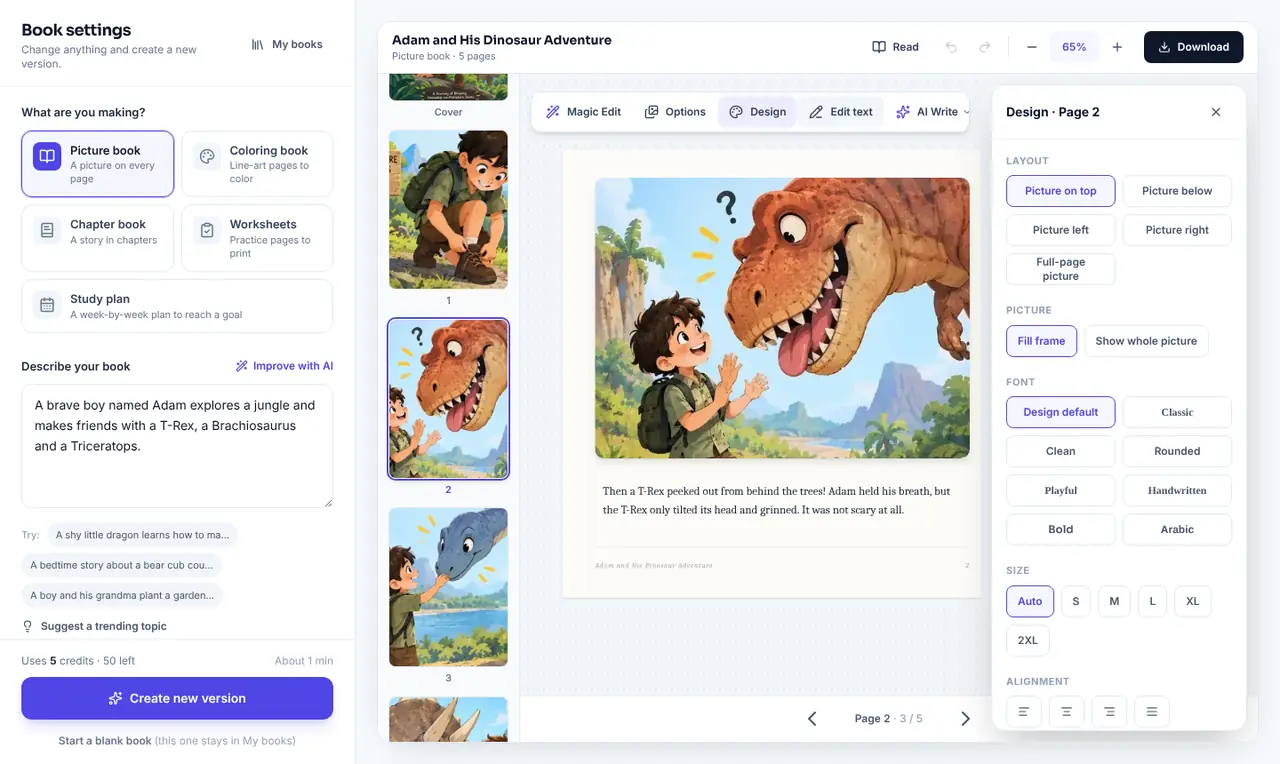
When we were designing QuickAIBook, we made a deliberate choice: our ethical commitments would not live in a terms-of-service document that nobody reads. They would be built directly into the product. This post explains our ownership model, our transparency stance, and how our plagiarism prevention system works — because we think authors deserve to understand the tools they're using.
Ownership Is Yours. Full Stop.
Everything you create on QuickAIBook belongs to you — not to us, not to the underlying model provider. We've resisted commercial pressure to include data-harvesting or training-use clauses that have quietly appeared in competitors' updated terms. Our position is unambiguous and written into our core agreements: we are a tool, you are the author, the work is yours.
Transparency About What AI Is Actually Doing
Many AI writing tools present their output as if it emerged fully-formed from nothing. We don't think that framing serves authors. QuickAIBook positions the human as the primary creative agent — the person who defines the topic, structures the argument, injects the expertise, and edits the result. The AI is the structural and linguistic engine that realises that vision. We make that relationship explicit in our interface and our documentation.
The question isn't whether AI was involved in writing a book. The question is whether the human author brought genuine knowledge, perspective, and editorial judgment. QuickAIBook is built around the assumption that they did — and that matters.
How Our Plagiarism Prevention Works
Every manuscript generated by QuickAIBook passes through our originality checker before being delivered to the author. The system flags any passages showing high similarity to indexed material and automatically regenerates those sections. Authors see a clean originality report as part of every completed project. We cross-check this against multiple reference databases, and we update those databases quarterly.
Ethics as a Design Constraint, Not an Afterthought
Ownership clarity, AI transparency, originality protection, and data privacy were on our product requirements list from day one — the same list as performance, speed, and UI quality. We believe this approach — treating ethics as a design constraint rather than a compliance exercise — is the only way to build AI tooling that authors can genuinely trust.
If our ethics framework ever needs to change, we will communicate that change directly to every active user before it takes effect — not bury it in a terms update. That's a promise, not a policy.