Inside the Brief Builder: Turn Ideas into Manuscripts
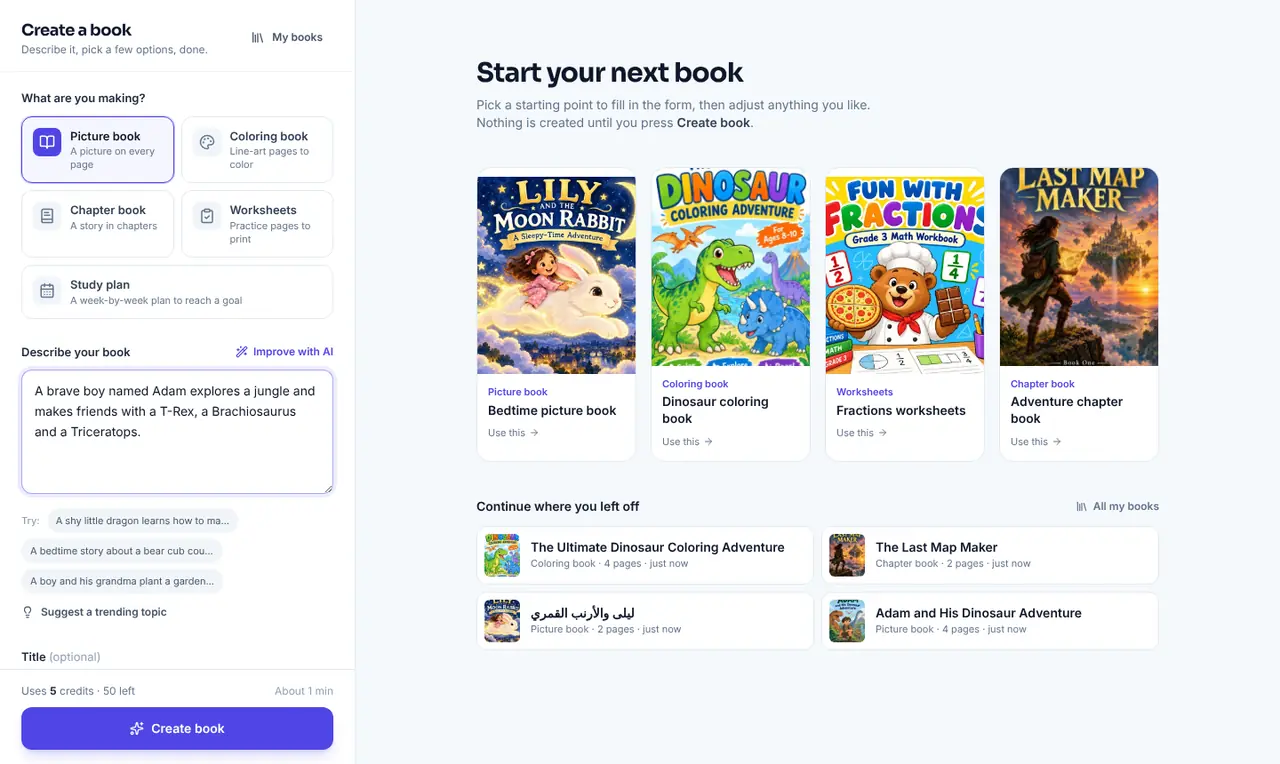
The Brief Builder is the first thing every QuickAIBook user encounters, and arguably the most important feature we've built. It's the bridge between an idea in your head and a 38,000-word manuscript. This post explains the product decisions behind it and why we structured it the way we did.
The core design insight: don't ask users what they want to write. Ask them who they're writing for, and what changes in that reader's life after the last page. That reframing changes everything.
Stage One — Reader Transformation
We ask: who is your reader before they open your book, and who are they after? This single question anchors every chapter the system generates. It's the difference between a book that informs and a book that transforms.
Stage Two — Structure and Voice
The system generates a chapter outline and asks you to confirm, adjust, or reorder. You also set your voice profile here — tone, formality, and a writing style reference. These parameters travel with every generation call throughout the project.
Stage Three — Credential Injection
You upload your expertise: notes, frameworks, statistics, client examples. The Magic Engine treats this material as non-negotiable anchors — facts and insights it must weave into the manuscript, not optional suggestions it might include.
Why We Don't Use a Single Text Box
Most writing tools open with a blank prompt field. We don't, and it's deliberate. A blank field is a blank page — it hands the cognitive burden back to the user. The Brief Builder is a structured conversation. By the time you reach the generation step, the blank page anxiety is gone. You've already done the hardest part: you've articulated what you actually want to say.
The Brief Builder isn't just a data-collection step. It's a thinking tool. Users consistently tell us they understand their own book better after completing it than they did before.
Every question in the Brief Builder was tested against real authors. If a question didn't produce meaningfully better output, it was removed. The current flow is the result of over 40 iterations.